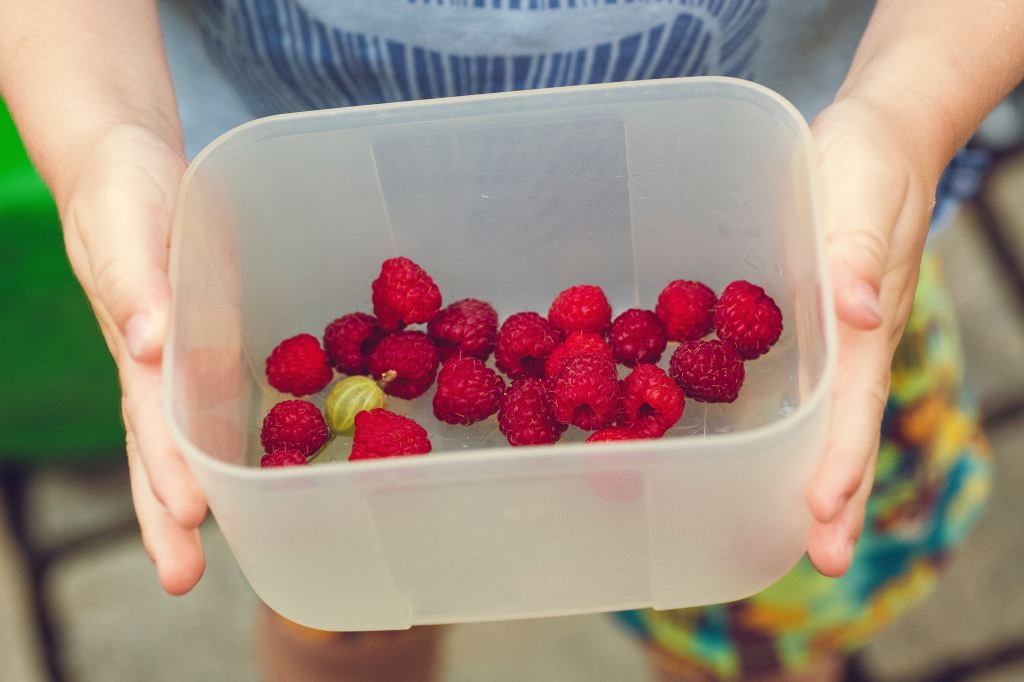
There is nothing quite like eating a home-grown, home-cooked meal. Fresh, organic fruits and vegetables are one of life’s greatest pleasures, and learning how to grow your own can be infinitely beneficial. While you may not have a sizable garden plot on your property, there are other options to consider; for instance, there may be a collection of allotments or a community garden nearby. Alternatively, you could cultivate crops indoors using a grow tent. If nothing else, gardening is fun and rewarding, so start developing your green thumb; the results may just surprise you.
Reduced Pollution
Commercial, non-organic farming has long been heavily criticised for causing irreparable environmental damage. The pervasive use of harsh pesticides, decreased biodiversity, and increased water pollution are all negative factors associated with non-organic agriculture. Furthermore, the pollution generated by transporting crops for human consumption, known as “food miles”, is responsible for 6% of global greenhouse gas emissions. Growing food from the comfort of your own garden can significantly reduce your carbon footprint, particularly if you cultivate crops that usually have to travel long distances, such as tomatoes, aubergines and peppers.
It May Save You Money
We are all being affected by the rising cost of living – steep increases in the price of energy, fuel, and food are resulting in many families struggling to make ends meet. Although cultivating fruit and vegetables may come with operational costs, such as purchasing seeds, compost and fertiliser, it may save you a significant amount on your supermarket bills. Cultivating fresh fruits and vegetables is an excellent way to ensure your family has a steady supply of nutritious ingredients without forking out eye-watering amounts at the local supermarket.
Freshness
There is no denying that freshly picked crops taste far better than store-bought alternatives that have travelled miles and sat on a shelf for several days. The very best flavours come from crops lovingly grown in nutrient-rich soil with natural, organic fertilisers. Furthermore, studies show crops lose up to 30% of their nutrients – including vitamin C – as little as three days after harvest. For flavour-packed crops bursting with nutritional value, consume your home-grown produce as soon after harvest as possible.
Picky Eaters
Picky eating can be a nightmare for parents. Ensuring your kids get all the vital nutrients they need for healthy growth and development can be a constant battle. However, giving your children a part in cultivating home-grow crops may encourage them to try new things. Additionally, learning about how plants are grown from seed can be an exciting educational experience for young children. Encourage them to help pick what plants you grow and involve them in every step of the process.
Learn A New Skill
Not everybody is born with a green thumb. Many of us have grown up helping parents and grandparents tend to their gardens; however, for some, gardening is an ongoing learning process. Learning a new skill can be incredibly gratifying, particularly when you’re tackling something as a complete novice. Fortunately, there are many online resources available to help you along the way. You can even purchase handy tools and accessories to guide your methods, such as a soil pH metre and a canna feed chart.
Biodiversity
A neat, freshly-mown lawn may be aesthetically pleasing, but gardens that lack biodiversity do the environment no favours. On the other hand, creating a vegetable garden with varying plant species is an excellent way to encourage biodiversity. A robust ecosystem may help protect your crops’ well-being – an abundance of wildlife makes for a healthier garden by increasing stability and resilience. That said, you can control the number of plant-eating insects by implementing natural and organic pest control measures such as castile soap spray, which is kind to beneficial insects like bees and ladybirds.
Health Benefits
The health benefits of gardening are plentiful. Not only is home-grown food good for nutrition, but the act of gardening itself is remarkably beneficial, both physically and mentally. Gardening is a great form of gentle, low-impact physical exercise which may help you increase your fitness levels, flexibility and strength. Tending to a garden is also a mindful activity that forces you to focus on the here and now, reducing stress and promoting psychological well-being. What’s more, the affirming sense of achievement that comes with growing crops from seed is unparalleled. You can read more about the health benefits of gardening here.
 Notely